The moment that each driver fears most in Las Vegas and even in the world: you’re riding smoothly, and out of nowhere, a tiny yellow sign pops up on your dashboard – the check engine light. Many of us feel a wave of worry right after it. Is it something small? Or is your engine going to fail?
From a broader standpoint, a check engine light can be caused by a variety of reasons, from a small engine repair Las Vegas and easy do-it-yourself fix to serious mechanical problems. It is a fact that even if the car is like that, the car needs your attention. Overlooking it can lead you to spend more time, money, and stress down the road.
This blog is going to cover the true meaning of a check engine light, the difference between a solid and a flashing warning, the most frequent causes of its appearance, and the steps necessary to keep your vehicle running properly.
What Exactly is a Check Engine Light?
The check engine light – typically an amber or yellow engine-shaped symbol – is a part of the car onboard diagnostic system (OBD). It oversees the operations of the engine, emissions system, and other prime components.
The moment the system detects an abnormality, it keeps a trouble code in the electronic brain of the vehicle and also turns on the light to warn you. This could mean:
A small issue like a loose fuel cap.
A performance problem like a faulty sensor.
A serious mechanical failure like an engine misfire.
The major point: this light does not indicate something that is “suggested”. Rather, it straightly warns you that something is wrong. Maybe you need engine repair Las Vegas.
Solid vs. Flashing Check Engine Light
Not every indication of an engine failure is the same. The state of the light will tell you how urgent is this.
Solid Light
In most cases, this is the most popular scenario. It normally means that while the problem is not immediately dangerous it should get fixed as soon as possible. Examples are a failing sensor, minor exhaust issues, or small leaks in the emission system. You can drive for a short time, but schedule a mechanic visit at the earliest.
Flashing Light
This is more serious and not to be ignored. A flashing light usually signifies an engine misfire that is very severe that will damage the catalytic converter and other components in a very short time period. If the light is flashing, especially if you feel any kind of loss of power, the vehicle shakes, there are strange smells, or you see smoke, pull over safely, and call for roadside assistance.
6 Common Reasons Your Check Engine Light Might Be On
While you’ll need proper diagnostics to know for sure, these are the most frequent culprits:
Loose or Damaged Gas Cap
The fuel cap seals your gas tank and prevents fuel vapors from escaping. If it’s loose, cracked, or missing, it can trigger the warning light. It can also cause fuel evaporation, reducing efficiency and costing you money. Always make sure the cap is tightened securely after refueling.
Oxygen Sensor Failure
The oxygen sensor measures the amount of oxygen in your exhaust gases to optimize fuel mixture. A faulty sensor can cause poor fuel economy, higher emissions, and rough performance. Replacing a bad sensor promptly can save you from bigger repair bills later.
Catalytic Converter Problems
The catalytic converter reduces harmful exhaust pollutants by converting them into less harmful gases. If it fails, your car’s performance and fuel efficiency will drop — and emissions will increase. Often, catalytic converter failure is caused by another underlying issue, so simply replacing it may not be enough.
Mass Airflow Sensor Malfunction
This sensor measures how much air enters the engine so the computer can deliver the correct amount of fuel. A malfunctioning mass airflow sensor can cause sluggish acceleration, rough idling, and lower fuel efficiency. Sometimes it can be cleaned; in other cases, it needs replacement.
Battery or Charging System Issues
Your battery provides the power needed to start and run your vehicle’s electrical systems. Low voltage, corrosion, or failing alternators can cause the check engine light to appear. If your car struggles to start, check the battery health right away.
Engine Misfires
A misfire happens when one or more cylinders fail to ignite properly. This can be caused by bad spark plugs, ignition coils, or fuel delivery problems. Misfires not only affect performance but can also severely damage your engine if left untreated.
What to Do When Your Check Engine Light Turns On
A moment of seeing that warning light on the dashboard usually causes anxiety, but a well-thought-out step-by-step approach can lead you to the right understanding of what the problem is.
Check Simple Fixes First
Some issues are easy to resolve:
Tighten your gas cap.
Look for disconnected or damaged wires under each hood.
Review recent repair work in case something wasn’t reconnected properly.
Use an OBD2 Scanner
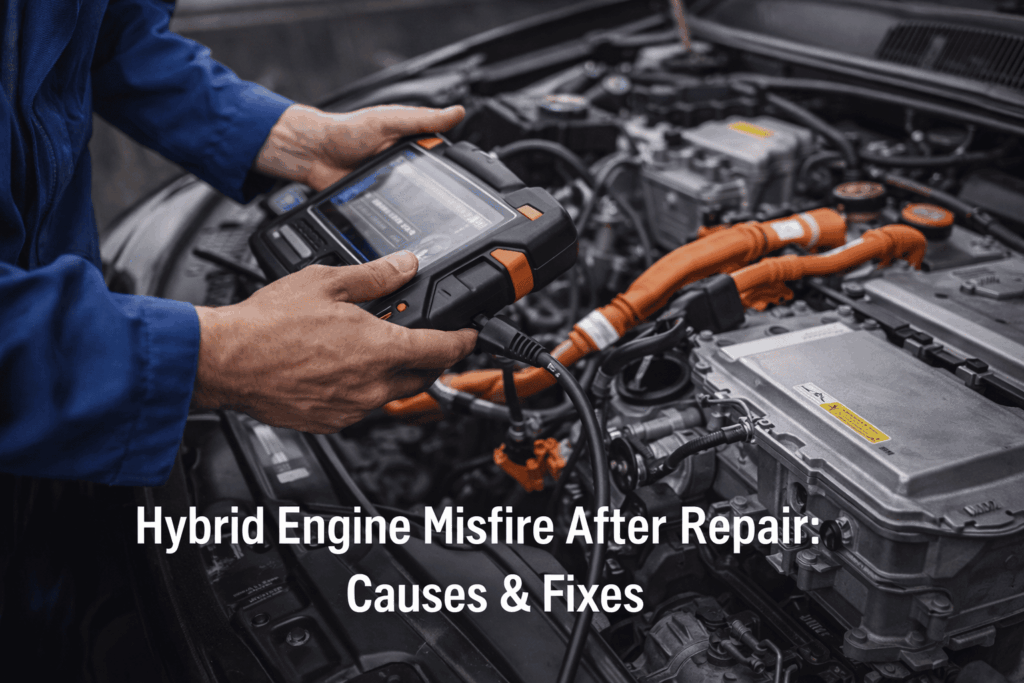
An On-Board Diagnostics (OBD2) scanner plugs into your vehicle’s diagnostic port (usually under the dashboard) and reads stored error codes. This can give you or your mechanic a clearer picture of what’s wrong. OBD2 scanners are available at most auto parts stores and online.
Visit a Professional Mechanic
If you can’t pinpoint the cause, take your car to a trusted repair shop. Certified mechanics have advanced diagnostic tools to accurately identify and fix the problem.
Check Engine Light Causes, Costs & Urgency
| Cause | Avg. Repair Cost (2025) | Severity Level | Light Type | Recommended Action |
| Loose/Faulty Gas Cap | $15 – $40 | Low | Solid | Tighten or replace gas cap, reset light. No immediate danger. |
| Oxygen Sensor Failure | $180 – $350 | Medium | Solid | Replace sensor within a week to avoid poor mileage & emissions. |
| Catalytic Converter Failure | $950 – $2,500 | High | Solid/Flashing | Diagnose cause; replace converter ASAP to prevent further damage. |
| Mass Airflow (MAF) Sensor Malfunction | $220 – $450 | Medium | Solid | Clean or replace sensor to restore performance & fuel efficiency. |
| Engine Misfire (Spark Plugs/Coils) | $150 – $600 | High | Flashing | Stop driving; repair immediately to prevent engine/catalytic damage. |
| Battery/Charging System Issue | $120 – $400 | Medium | Solid | Test battery & alternator; replace failing parts promptly. |
| Exhaust Gas Recirculation (EGR) Valve Fault (more common in 2025 vehicles) | $250 – $500 | Medium | Solid | Clean or replace valve to reduce emissions & improve engine efficiency. |
| Hybrid/EV Inverter or Control Module Fault (newer in 2025 EVs & hybrids) | $1,500 – $4,200 | High | Solid/Flashing | Seek dealer or EV‑qualified mechanic immediately. |
FAQs:
Not always. It can signal anything from a loose gas cap to major engine trouble. But it’s impossible to know the severity without checking, so don’t ignore it.
If the light is solid and your car drives normally, you can drive short distances to a repair shop. If it’s flashing or the car feels unsafe, pull over immediately.
It could still be a developing problem. Have it checked to avoid bigger repairs later.
Final Thoughts: Don’t Ignore the Warning
Your vehicle’s check engine light is more than just a minor annoyance — it’s an important part of your car’s self-diagnostic system. Whether it’s a small fix or a serious repair, addressing the issue quickly helps you avoid costly damage and keeps your car safe and reliable.
So, the next time that little yellow light comes on, don’t panic — but don’t delay, either. Check the basics, get a diagnostic scan, and let a professional handle any serious repairs. By taking action right away, you’ll protect your vehicle, your wallet, and your peace of mind.
No comment yet, add your voice below!