
If you live in Las Vegas and feel like you’re constantly back at the suspension shop Las Vegas drivers rely on, it’s not bad luck – it’s the roads. Vegas puts your car through conditions most vehicles were never designed to handle on a daily basis.
Most suspension maintenance intervals are engineered for moderate climates. Las Vegas is anything but moderate. Between extreme summer heat, flash flood damage, heavy commercial traffic, and notoriously patchy road surfaces, your ball joints, shocks, and control arm bushings face an accelerated timeline that standard advice simply doesn’t account for.
Here’s what’s actually happening under your car – and what you can do about it, especially when it comes to suspension repair Las Vegas drivers frequently need.
Extreme Heat Breaks Down Rubber Components Faster
Las Vegas road surfaces can reach 180°F in peak summer. That’s not air temperature – that’s the temperature your tires, suspension boots, and undercarriage are sitting inches above every time you drive.
The problem is that nearly every flexible component in your suspension system is rubber-based: control arm bushings, sway bar end links, CV boots, and shock absorber seals. At sustained extreme temperatures, rubber oxidizes, hardens, and cracks far sooner than manufacturers predict. A bushing that might last 80,000 miles in a northern climate could be showing wear in Vegas at 30,000-40,000 miles.
What to watch for: Clunking or rattling over bumps, pulling during braking, and uneven tire wear are all early signs of bushing deterioration. Don’t ignore them – worn bushings transfer extra stress to the ball joints and wheel bearings around them.
Thermal Expansion Cracks Create Constant Micro-Impacts
Las Vegas asphalt goes through some of the most extreme daily temperature swings in any American city – from overnight lows in the 70s to afternoon highs above 115°F during summer. That daily expansion and contraction causes asphalt to crack and develop a subtle washboard texture over time.
Driving on these surfaces doesn’t feel violent the way a pothole does, but the cumulative effect is significant. Thousands of small impacts per mile gradually loosen fasteners, wear down shock absorber internals, and fatigue the metal in control arms and tie rods. It’s the automotive equivalent of metal fatigue – each hit is small, but the total adds up fast.
![]()
Potholes Deliver Sudden, High-Force Impacts
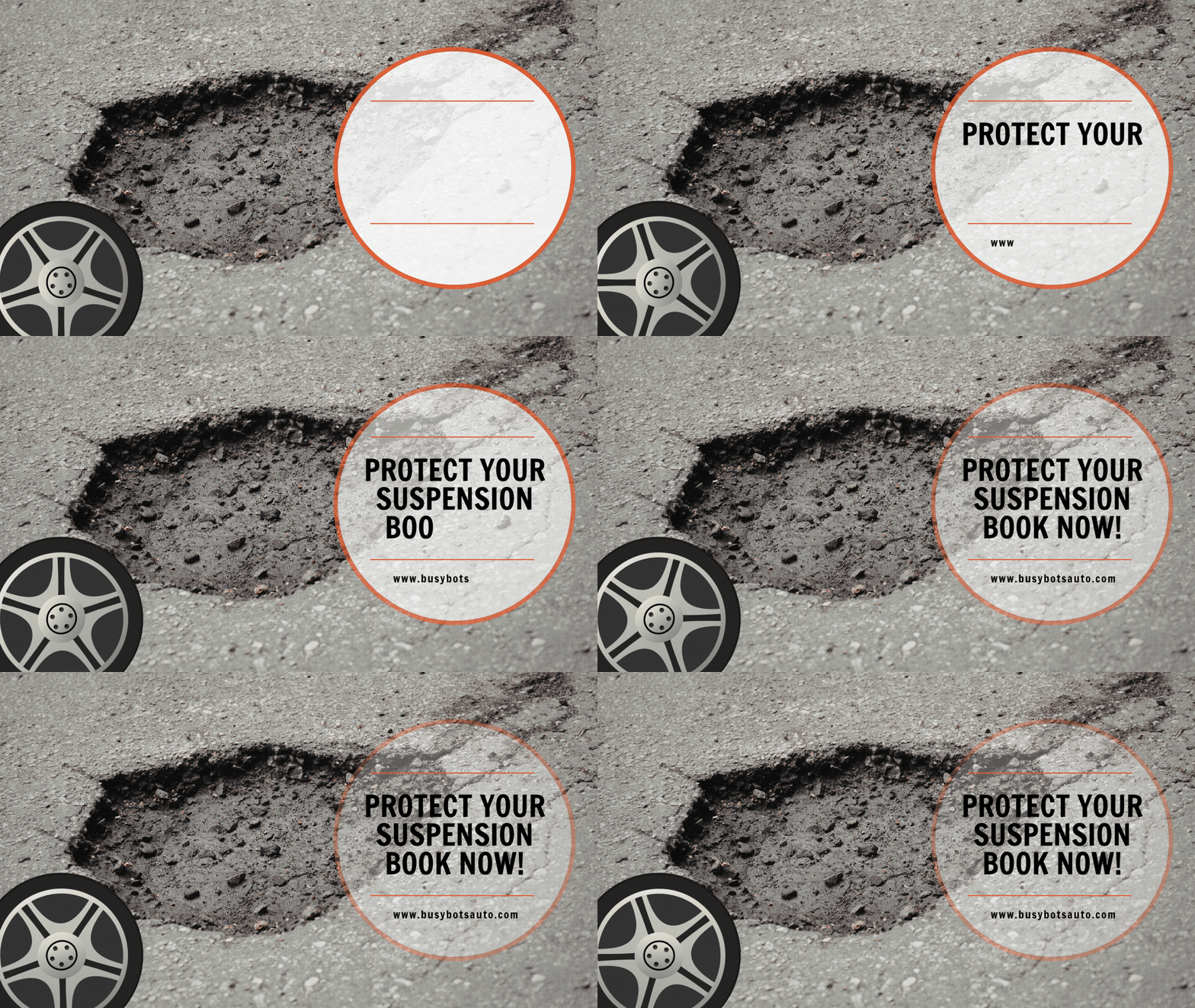
The older corridors – Fremont Street, Eastern Avenue, areas east and north of the Strip – are riddled with potholes that don’t get repaired quickly enough. A deep pothole hit at 30-40 mph can deliver a shock load equivalent to a minor collision, transmitted directly through your wheel into the strut, spring, and control arm.
A single bad pothole strike can knock your alignment out, crack a rim, or in worse cases bend a control arm or damage a wheel bearing. The alignment issue matters especially because misalignment then chews through tires unevenly and puts asymmetric stress on the entire suspension system going forward.
After any significant pothole hit: Get an alignment check within the week, even if the car seems to be driving straight. Subtle misalignment does cumulative damage you won’t notice until your tires are worn out prematurely.
Poor Patching Creates Step-Edges That Hammer Your Suspension
Rather than full-lane repaving, Las Vegas roads are frequently patched in sections. Over time this creates a patchwork of height transitions – small but constant step-edges that your suspension absorbs dozens of times per commute.
These transitions are particularly hard on sway bar links and end bushings, which are designed to handle lateral forces but get compressed vertically each time a wheel drops or climbs an uneven seam. It’s low-severity damage, but in a city where you’re crossing dozens of patched seams per mile, it adds up significantly over a year of driving.
Flash Floods Erode the Road Foundation
Vegas’s monsoon season brings brief but intense rainfall to a city with limited drainage infrastructure. Water doesn’t just run off the roads – it penetrates cracks in the asphalt and undermines the compacted gravel sub-base below. The result is hidden soft spots beneath an asphalt surface that still looks intact.
When that surface finally fails, it fails suddenly – creating sharp-edged depressions that are far more damaging than a typical pothole because the drop is unexpected and often deeper than it appears. These failures are especially common along the edges of roads and near curb lines, exactly where you’re likely to be when changing lanes or pulling off.
What You Should Actually Do About It
Standard maintenance schedules weren’t written for Las Vegas. Here’s how to adjust:
- Inspect suspension every 15,000 miles, not 30,000. That means ball joints, control arm bushings, tie rod ends, and shocks. In Vegas’s conditions, waiting for the standard interval means you’ll often be replacing parts reactively rather than preventively – and by then, worn components have usually damaged adjacent ones too.
- Check your alignment twice a year. Once in spring after winter potholes, and once in late fall before temperatures drop. Alignment drift in Vegas happens faster than in milder climates because the road surface itself is constantly shifting.
- Upgrade to heat-resistant bushings if you’re replacing them anyway. Polyurethane or high-durometer rubber bushings hold up significantly better under sustained heat than standard OEM rubber.
The economics are simple: A control arm bushing replacement typically runs $120-200. Delaying it until the bushing fails completely often means replacing the entire control arm – a $400-900 job – plus any wheel bearing or ball joint damage that occurred in the meantime. In Las Vegas, staying ahead of suspension repair Las Vegas isn’t optional. It’s the cheaper choice.
FAQs
Why does Las Vegas damage car suspensions faster than other cities?
Las Vegas combines extreme summer heat, rapid daily temperature swings, heavy commercial traffic, and poorly maintained road surfaces. This creates a uniquely harsh environment for suspension components, increasing the need for frequent suspension repair Las Vegas services.How often should I get my suspension inspected in Las Vegas?
Every 15,000 miles – roughly half the standard interval. The local conditions accelerate wear, so waiting longer risks further damage.What suspension parts wear out fastest in Las Vegas?
Rubber-based components: control arm bushings, sway bar end links, CV boots, and shock absorber seals. Ball joints and wheel bearings also degrade faster due to road impacts.Can a single pothole damage my suspension?
Yes. Hitting a deep pothole at 30-40 mph can misalign wheels, crack rims, or bend control arms. Even if nothing breaks immediately, wear accelerates over time.Is it worth upgrading to polyurethane bushings in Las Vegas?
Yes. They hold up significantly better under heat than standard OEM rubber, offering longer life and fewer visits to your suspension shop Las Vegas.
Signs Your Car Needs Suspension Repair in Las Vegas
If you’ve been driving the rough roads and highways of Las Vegas, NV, you already know how quickly potholes, speed bumps, and desert heat can wear down your vehicle’s suspension system. Whether you commute on the I-15, cruise the Strip, or navigate Henderson and Summerlin neighborhoods, your car’s suspension works hard every single day.
Ignoring suspension problems doesn’t just make your ride uncomfortable – it creates serious safety risks and leads to costly repairs down the road. This guide explains the clearest signs of bad suspension, what causes them, and when you should visit a trusted Las Vegas suspension shop or schedule Car Suspension Repair Las Vegas.
What Is a Car Suspension System and Why Does It Matter in Las Vegas?
Your suspension system is the network of springs, shock absorbers (shocks), struts, control arms, and linkages that connects your vehicle to its wheels. It serves two critical purposes: keeping your tires firmly on the road and absorbing road impacts so your cabin stays stable and comfortable.
Las Vegas drivers face a unique set of challenges that accelerate suspension wear:
- Extreme desert heat (110°F+ summers) that degrades rubber bushings and seals
- Road expansion and contraction causing pavement cracking and uneven surfaces
- Heavy stop-and-go traffic on major corridors like Flamingo Road, Tropicana Ave, and Boulder Highway
- Frequent freeway driving on I-15, US-95, and I-215 at high speeds
For Las Vegas NV residents, this means your shocks and struts may wear out faster than the national average. Staying alert to warning signs can save you hundreds – or thousands – in preventable damage. Visiting a Las Vegas suspension shop regularly ensures your vehicle stays safe and smooth on the road.

Top 8 Signs Your Car Needs Suspension Repair in Las Vegas
1. Your Car Is Bouncing Excessively After Bumps
One of the most obvious bad shocks symptoms is excessive bouncing after you go over a bump or dip. A healthy suspension should absorb the impact and settle your vehicle in one to two movements. If your car continues bouncing three or four times – or feels like it’s floating – your shock absorbers are likely worn out.
Tip: Perform a bounce test. Push down hard on each corner of your vehicle and release. If it bounces more than once or twice, it’s time for a Car Suspension Repair Las Vegas expert to inspect your vehicle.
2. Clunking or Knocking Noise Over Bumps
A clunking noise over bumps is a red flag that should never be ignored. This metallic knocking sound typically indicates worn or loose suspension components such as:
- Worn ball joints
- Damaged sway bar links
- Loose strut mounts
- Broken or cracked shock absorber housing
In Las Vegas, where temperatures cause metal to expand and contract rapidly, these components can deteriorate faster than in moderate climates. If you hear clunking when turning or going over railroad tracks or parking lot bumps, bring your car to a reliable Las Vegas suspension shop immediately.
3. Uneven Tire Wear Caused by Suspension Issues
Uneven tire wear suspension problems are closely linked. When your shocks or struts are worn, your tires can’t maintain consistent contact with the road surface. The result? Unusual wear patterns such as:
- Cupping or scalloping (wavy wear around the tread)
- Feathering (tread worn smooth on one side, sharp on the other)
- Center wear or edge wear indicating alignment problems tied to suspension
Las Vegas drivers who frequently park on hot asphalt and drive on sun-cracked roads are particularly prone to this issue. If you notice your tires wearing out faster than expected or unevenly, don’t just replace the tires – get your Car Suspension Repair Las Vegas done at a trusted shop.
4. Vehicle Pulls to One Side While Driving
Does your car drift to the left or right even when you’re holding the wheel straight? This pulling sensation is a classic sign of bad suspension, often caused by worn struts, uneven tire pressure, or misaligned suspension components.
On Las Vegas freeways where you’re often driving at 65-75 mph, a vehicle that pulls can be extremely dangerous. This symptom requires prompt attention from a qualified Las Vegas suspension shop.
5. Nose Dives, Squatting, or Body Roll During Maneuvers
When your suspension is healthy, your vehicle should remain relatively level during acceleration, braking, and turning. Warning signs include:
- Nose diving: The front dips sharply when braking
- Squatting: The rear sinks when accelerating
- Body roll: Excessive leaning when cornering
These are not just comfort issues – they indicate your shocks and struts are failing to control vehicle weight transfer, which can compromise braking distance and cornering stability. Las Vegas roads with frequent sharp intersections and on ramps make this particularly hazardous.
6. Steering Feels Loose or Difficult
If your steering wheel feels vague, loose, or requires more effort than usual, worn suspension components – especially power steering rack mounts, tie rod ends, or struts – may be to blame. Hard steering in Las Vegas summer heat can also point to fluid issues compounded by suspension wear.
7. Your Ride Has Become Noticeably Rougher
Shocks and struts are designed to smooth out the road. If every Las Vegas pothole or speed bump rattles your teeth, your suspension has likely lost its ability to dampen impacts. This is one of the most common bad shocks symptoms reported by drivers who delay maintenance past the recommended service intervals.
8. Visible Damage to Suspension Components
Sometimes a visual inspection tells the whole story. Signs to look for include:
- Oil-soaked or leaking shock absorbers
- Cracked or broken coil springs
- Bent or damaged control arms
- Torn or deteriorated rubber bushings
If you see any of these during a tire rotation or oil change in Las Vegas NV, ask your Las Vegas suspension shop to perform a full Car Suspension Repair Las Vegas inspection.
Strut Replacement in Las Vegas: What You Need to Know
Struts are a structural component of your suspension – they support the vehicle’s weight and serve as the mounting point for the coil spring. Signs you may need strut replacement in Las Vegas include:
- Severe bouncing or instability at highway speeds
- Grinding or clunking sounds when turning the steering wheel
- Visible leaking from the strut body
- Failed alignment that keeps recurring
Struts are typically replaced in pairs to maintain balanced handling. Most vehicles require strut replacement every 50,000-100,000 miles, though Las Vegas driving conditions can shorten this interval. Always follow strut replacement with a professional wheel alignment at your Las Vegas suspension shop.
How Much Does Suspension Repair Cost in Las Vegas?
Suspension repair costs in Las Vegas NV vary depending on the specific component, vehicle make and model, and labor rates at your chosen auto shop. Here is a general cost overview:
| Repair Type | Estimated Cost | Notes |
| Shock Absorber Replacement | $150–$350 per axle | Parts + labor, varies by vehicle |
| Strut Replacement (per pair) | $300–$700+ | Includes alignment recommended |
| Ball Joint Replacement | $200–$450 | Control arm may need replacement too |
| Sway Bar Link Replacement | $80–$200 | Often replaced in pairs |
| Control Arm Replacement | $250–$600 | Depends on front/rear and model |
| Full Suspension Inspection | $0–$50 | Many Las Vegas shops offer free checks |
When Should Shocks Be Replaced? A Guide for Las Vegas Drivers
Most manufacturers recommend replacing shock absorbers and struts every 50,000 miles under normal conditions. For Las Vegas NV drivers, these timelines can be shorter due to:
- High ambient temperatures accelerating oil seal degradation in shocks
- Frequent heavy braking in Strip traffic
- Rough terrain driving in Red Rock Canyon or Lake Mead
- Hauling heavy loads
A practical rule of thumb: have your shocks and struts inspected every 12,000-15,000 miles at a trusted Las Vegas suspension shop. Don’t wait for symptoms to worsen – schedule Car Suspension Repair Las Vegas promptly for safe driving.
Frequently Asked Question
1: How do I know if my car needs suspension repair in Las Vegas?
Common signs include excessive bouncing, clunking noises, uneven tire wear, pulling to one side, rough rides, and visible damage to shocks, struts, or bushings.
2: How often should I have my suspension inspected in Las Vegas?
Due to extreme heat and road conditions, it’s recommended to inspect your suspension every 12,000–15,000 miles or at the first sign of issues.
3: Can I replace just one shock or strut at a time?
It’s best to replace shocks or struts in pairs (both fronts or both rears) to maintain balanced handling and optimal performance, especially on Vegas roads.
Why EV Suspension Repairs Cost 20% More (And How to Save) – A Detailed Guide
Electric vehicles are changing the way people drive, maintain, and repair their cars. But one thing many drivers notice after an accident or suspension issue is the EV suspension repair cost. In many cases, repairs for electric vehicles can be around 20 percent higher compared to traditional vehicles, especially when handled by a certified auto repair shop specializing in EV systems.
Why does that happen? The answer involves design differences, specialized components, and the way EVs are built around large battery systems.
If you have ever wondered about the EV vs gas car repair cost comparison, or what it might cost to fix suspension damage after a crash, this guide explains the reasons and shares practical ways to reduce expenses through professional electric car suspension repair services.
Why EV Suspension Repairs Cost More
Electric vehicles are engineered differently from traditional gasoline powered cars. These differences directly influence the EV suspension repair cost.
Heavier vehicle structure:
Most electric vehicles carry a large battery pack mounted under the floor. That battery can weigh hundreds of pounds. Because of this added weight, suspension systems must work harder to support the vehicle and maintain ride quality.
When suspension components wear out or suffer collision damage, repairs often involve stronger materials and specialized parts, which are typically handled by a certified auto repair shop.
Advanced suspension technology:
Many EV manufacturers include adaptive suspension systems, electronic dampers, or advanced air suspension setups. These technologies improve ride comfort but increase repair complexity.
Specialized repair procedures:
An EV vs gas car repair cost comparison often shows higher labor costs for electric vehicles. Technicians working on EVs must follow strict safety procedures due to high voltage systems and battery integration.
Not every repair facility is trained for these tasks, which is why choosing a professional electric car suspension repair provider is essential for safety and accuracy.

What Drives the Price Up
Several factors contribute to higher suspension repair pricing in electric vehicles.
Air suspension systems:
Luxury EV models often use air suspension technology for smoother ride control. The EV air suspension repair cost can be higher because these systems rely on air compressors, sensors, and electronic control modules, especially in vehicles equipped with advanced air suspension setups.
If one of these parts fails, replacement parts and recalibration can add to the overall bill.
Battery pack proximity:
Suspension components sit close to the battery enclosure in many EV designs. During a collision, technicians must carefully inspect surrounding areas to ensure the battery housing was not affected.
This inspection process can increase the cost to fix EV suspension after collision, making it important to work with a certified auto repair shop experienced in EV diagnostics.
OEM components:
Manufacturers typically recommend original parts to maintain safety and performance. These parts may cost more than standard components used in gasoline vehicles.
EV Suspension Repairs for Different Makes and Models
Different EV models come with unique suspension designs, which means repair costs vary.
Tesla suspension repair cost:
Tesla vehicles often feature advanced suspension systems designed for performance and ride comfort, including advanced air suspension setups in some models. The Tesla Model 3 suspension repair cost may involve control arms, bushings, or electronic dampers depending on the issue.
Chevy Bolt suspension repair cost:
The Chevy Bolt suspension repair cost is usually lower compared to premium EV brands. However, repairs can still involve specialized parts and require professional electric car suspension repair expertise.
Rivian suspension repair cost:
Rivian trucks and SUVs use advanced air suspension systems built for off road capability. Because of this design, the Rivian R1T suspension repair cost can be higher when air components or sensors require replacement.
BMW iX suspension repair cost:
Luxury EVs like the BMW iX suspension repair cost often include adaptive suspension technology and advanced air suspension setups, requiring precise recalibration and diagnostics.
Insurance and Claims Tips:
If your EV suspension damage happens after an accident, insurance coverage may help offset the cost.
Filing an EV collision repair insurance claim typically involves an inspection by an adjuster who evaluates the damage and prepares an estimate.
In some situations, additional damage may be discovered during the repair process. When this happens, the repair facility can submit a supplemental request to the insurance company for approval.
Choosing a certified auto repair shop that has experience handling EV claims can make the process smoother. They often communicate directly with adjusters, provide documentation, and ensure repairs follow manufacturer standards.
How to Save Money on EV Suspension Repairs
While electric vehicle repairs can be costly, there are ways to reduce expenses.
Choose a certified repair facility:
Look for technicians trained to work on electric vehicles. A certified auto repair shop understands EV safety systems and proper repair methods.
Compare parts options:
In some situations, drivers may have the option to choose between original components and high-quality aftermarket alternatives.
Follow preventive maintenance:
Regular inspections can help identify worn suspension components early. Fixing small issues quickly can prevent more expensive repairs later.
Work with an insurance experienced shop
Repair centers that handle EV claims regularly may know how to document damage correctly and help with approvals. This can lead to better reimbursement and fewer delays, especially when paired with professional electric car suspension repair expertise.
These EV repair cost reduction tips can help keep repair bills manageable without sacrificing safety or quality.
Final Thoughts:
Electric vehicles offer impressive technology and performance, but repair costs can be slightly higher due to their advanced design. Understanding the factors behind EV suspension repair cost helps drivers make smarter decisions after an accident or mechanical issue.
If your vehicle needs professional electric car suspension repair after a collision, choosing a certified auto repair shop in Las Vegas can make a major difference. A qualified shop will inspect suspension components carefully, verify battery safety, and ensure your vehicle returns to the road in proper condition, especially for models with advanced air suspension setups.
FAQs:
Why is EV repair more expensive than gas cars?
Electric vehicles often include advanced technology, specialized parts, and high voltage systems. These factors require trained technicians and unique tools, which is why repairs are typically handled by a certified auto repair shop and may cost more.
How much does EV suspension repair cost after accident?
The cost to fix EV suspension after collision depends on the vehicle model and severity of damage. Minor repairs may cost several hundred dollars, while major suspension replacements or repairs involving advanced air suspension setups can cost several thousand dollars.
Does car insurance cover EV suspension repair?
Yes. If the damage happens due to a covered accident, insurance typically pays for necessary repairs. An EV collision repair insurance claim usually includes inspection, repair estimates, and approval from the insurance provider.
Can a regular body shop fix EV suspension?
Not always. Electric vehicles require technicians trained to work around high voltage systems and EV specific components. Shops like BusyBots Auto Repair have the expertise and equipment needed to handle EV suspension diagnostics and repair safely.
Does EV suspension damage affect battery?
In some cases it can. Suspension components are located close to the battery pack in many electric vehicles. Severe impacts may affect surrounding structures, which is why technicians inspect the battery housing during suspension repairs.